Ecommerce · Updated September 3, 2026
Where to Sell Jewelry Online in 2026: 9 Best Platforms Compared
From handmade pieces to vintage finds, here is where each type of jewelry seller actually gets the best results.
By Theme Catch · 11 min read
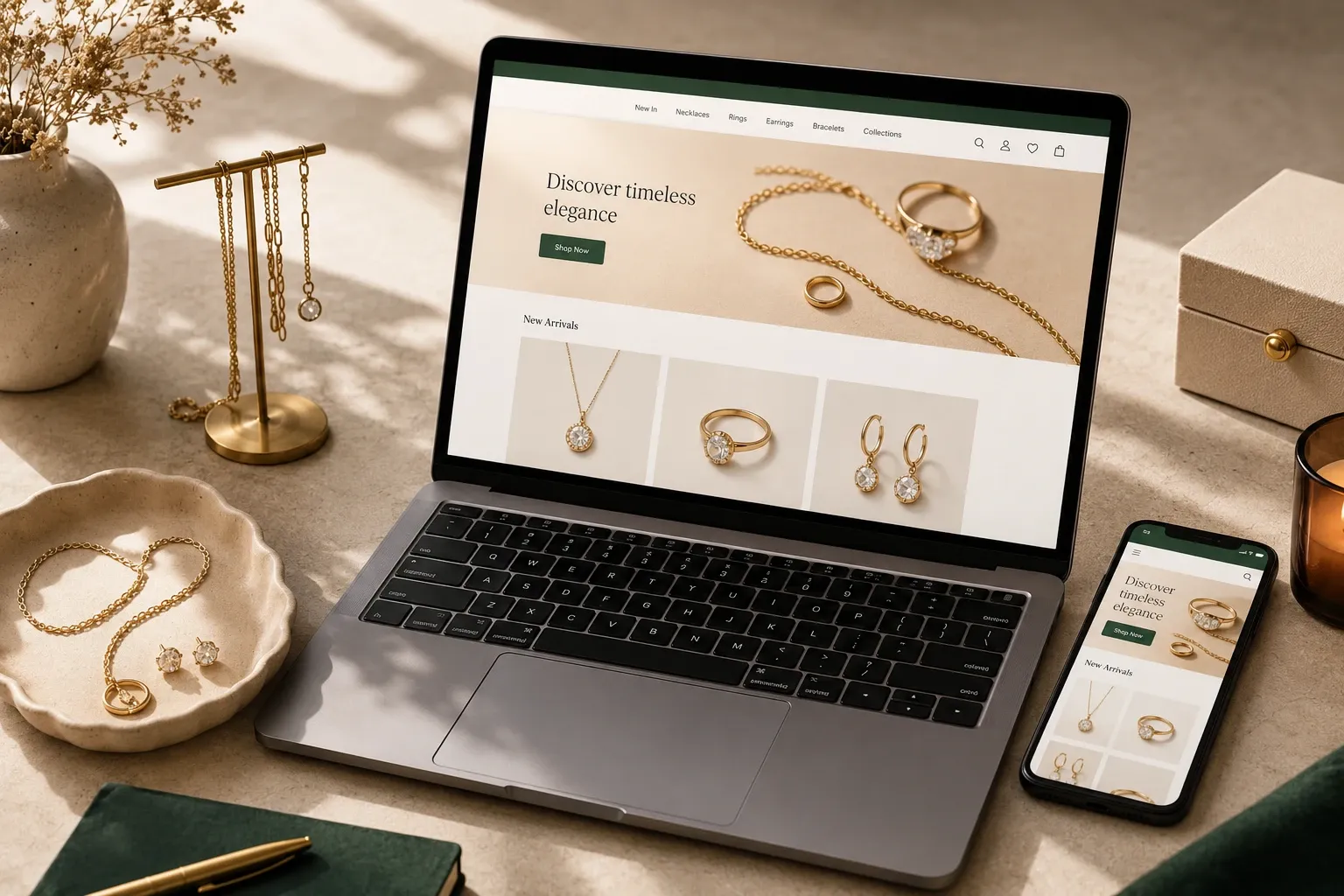
A hand-forged silver ring, a box of inherited estate pieces, and a line of resin earrings you make on weekends do not belong on the same platform, even though all three are technically "jewelry." The best place to sell depends heavily on what you are selling, who buys it, and how much control you want over pricing and branding.
This guide breaks down the main places jewelry sellers actually use in 2026, what each one is genuinely good at, and where each one falls short, so you can pick based on your product instead of whichever platform is loudest in your feed.
Quick Answer: Where to Sell Jewelry Online
If you want the short version before reading the details:
- Handmade or artisan jewelry: start with Etsy, it has a built-in audience actively searching for handmade goods.
- Building a real brand long-term: a self-hosted store on Shopify gives you full control over pricing, design, and customer data.
- Vintage or estate pieces: eBay still has the strongest collector and vintage jewelry audience.
- Maximum reach on a budget: Amazon Handmade puts your pieces in front of Amazon's existing shopper base.
- Casual resale or one-off pieces: Poshmark or Depop for low-effort, low-fee listings.
Now let's go through each option in more detail.
1. What Matters Before You Pick a Platform
Three questions decide the right platform faster than any feature comparison: is your jewelry handmade, vintage, or mass-produced; do you want an existing audience to sell into, or are you building your own brand from scratch; and how much of your margin are you willing to give up in fees for that built-in traffic?
Marketplaces like Etsy, Amazon, and eBay hand you buyers already searching for what you make, in exchange for listing and transaction fees and less control over branding. A self-hosted store like Shopify gives you full control and keeps more of each sale, but you are responsible for bringing your own traffic. Most established jewelry sellers eventually use a mix of both.
2. Etsy: Best for Handmade and Artisan Jewelry
Etsy remains the default starting point for independent jewelry makers, and for good reason. Buyers arrive already searching for handmade, custom, or unique pieces, which means less work convincing someone jewelry is worth buying online in the first place.
The trade-off is a crowded marketplace and a listing fee on every item, plus a transaction fee on each sale, so margins get thinner as your store grows. It is a strong place to start and validate designs, but many sellers eventually move some volume to their own store once they have a following.
3. Your Own Store on Shopify: Best for Building a Real Brand
For jewelry sellers thinking beyond a side hustle, a self-hosted store on Shopify is usually the next step. You set your own prices without marketplace fee pressure, you own the customer relationship and email list instead of renting it from a platform, and you can build a brand identity that a marketplace listing simply cannot support.
The catch is that Shopify does not bring you buyers the way Etsy does. You are responsible for driving traffic through social media, search, or paid ads, and the design of your store matters more, since there is no marketplace trust signal doing the selling for you.
This is where a bit of research pays off before you build. If you find a jewelry store you admire and want to know how it is built, a Shopify theme detector can identify exactly which theme it is using, its version, and whether it is free or premium, in seconds. It is a useful shortcut for figuring out what a well-designed jewelry storefront actually looks like under the hood before you commit to your own theme.
4. Amazon and Amazon Handmade: Best for Reach
Amazon Handmadeputs artisan jewelry in front of Amazon's enormous existing shopper base, which is hard to match on raw traffic. Buyers also get Amazon's trusted checkout and shipping expectations, which can shorten the trust gap for a first-time customer.
The downside is that Amazon is not a natural home for browsing handmade or artistic pieces the way Etsy is, and standing out among mass-produced jewelry listings takes strong photography and reviews. It works best as an additional channel rather than a sole sales strategy.
5. eBay: Best for Vintage and Estate Jewelry
eBaystill holds the strongest collector and vintage jewelry audience of any major marketplace. Buyers hunting for estate pieces, discontinued designer jewelry, or one-of-a-kind vintage finds default to eBay before almost anywhere else, and its auction format can work in a seller's favor for rare pieces with genuine demand.
It is less suited to new, handmade jewelry, where buyers expect a curated shopping experience rather than a search-and-bid marketplace. For inherited collections or resale of vintage pieces, though, it is usually the first place to list.
6. Instagram and Social Selling
Selling directly through Instagram Shopping or TikTok Shop works well for jewelry brands with a strong visual identity and an engaged following, since jewelry is a highly visual, impulse-friendly category. The advantage is discovery, buyers find pieces while scrolling rather than searching, which suits limited drops and seasonal collections particularly well.
The downside is that social selling depends heavily on consistent content and algorithm reach, which takes real time investment. It tends to work best as a layer on top of an existing Shopify store or Etsy shop, rather than as the only sales channel.
7. Poshmark and Depop: Best for Casual Resale
Poshmark and Depop are built for lower-effort, lower-volume selling, listing individual pieces from a personal collection, closing out old inventory, or reselling jewelry you no longer wear. Both have younger, fashion-driven audiences who are used to browsing casually rather than searching with intent.
Fees and payout structures vary between the two, and neither is designed for a growing business with recurring inventory, but they are a low-friction way to sell individual pieces without setting up a full storefront.
8. Local Marketplaces and Craft Fairs
It is easy to overlook offline and hyper-local channels when the conversation is about "online" selling, but local marketplace apps and in-person craft fairs remain genuinely effective for jewelry, since buyers can try pieces on before committing. They also tend to convert well into repeat online customers once someone has bought from you in person once.
These channels will not scale a business on their own, but they are a low-cost way to test new designs and collect direct feedback before investing in inventory for a bigger online push.
9. Matching the Platform to What You Actually Sell
A quick way to narrow it down by product type:
- Handmade, artistic pieces: Etsy first, your own Shopify store as you grow.
- Vintage or estate jewelry: eBay, with local marketplaces as a secondary channel.
- Fine or fashion jewelry brand: Shopify plus Instagram, prioritizing brand control over marketplace traffic.
- Occasional personal resale: Poshmark or Depop, minimal setup required.
- Mass-market or wholesale pieces: Amazon, for volume and existing buyer trust.
Most sellers who stick with jewelry long-term end up on two or three of these at once, using a marketplace for discovery and their own store for margin and brand ownership.
Frequently Asked Questions
What is the best place to sell handmade jewelry online?
Etsy is usually the strongest starting point because of its built-in audience specifically searching for handmade goods. As a brand grows, many sellers add a self-hosted Shopify store to keep more margin and build a stronger identity.
Is it better to sell jewelry on Etsy or Shopify?
Etsy gives you existing buyer traffic in exchange for fees and less control. Shopify gives you full control over pricing and branding but requires you to generate your own traffic. Many sellers use both, Etsy for discovery, Shopify for building a lasting brand.
Where can I sell vintage or estate jewelry?
eBay has the strongest collector and vintage jewelry audience of the major platforms, making it a natural first stop for inherited or estate pieces, followed by local marketplace apps for buyers who want to view items in person.
Do I need my own website to sell jewelry online?
No, marketplaces like Etsy, Amazon, and eBay let you start selling without building a website. A dedicated store becomes more valuable once you want full control over branding, pricing, and customer relationships.
How can I research other jewelry stores before building my own?
A Shopify theme detector, like the free one available through Theme Catch, can identify the exact theme, version, and marketplace listing behind any live Shopify store, which is a fast way to study what well-designed jewelry storefronts have in common before building your own.
Platform fees, policies, and features change often. Always check each marketplace's current seller terms before listing, since rates and requirements are updated regularly.